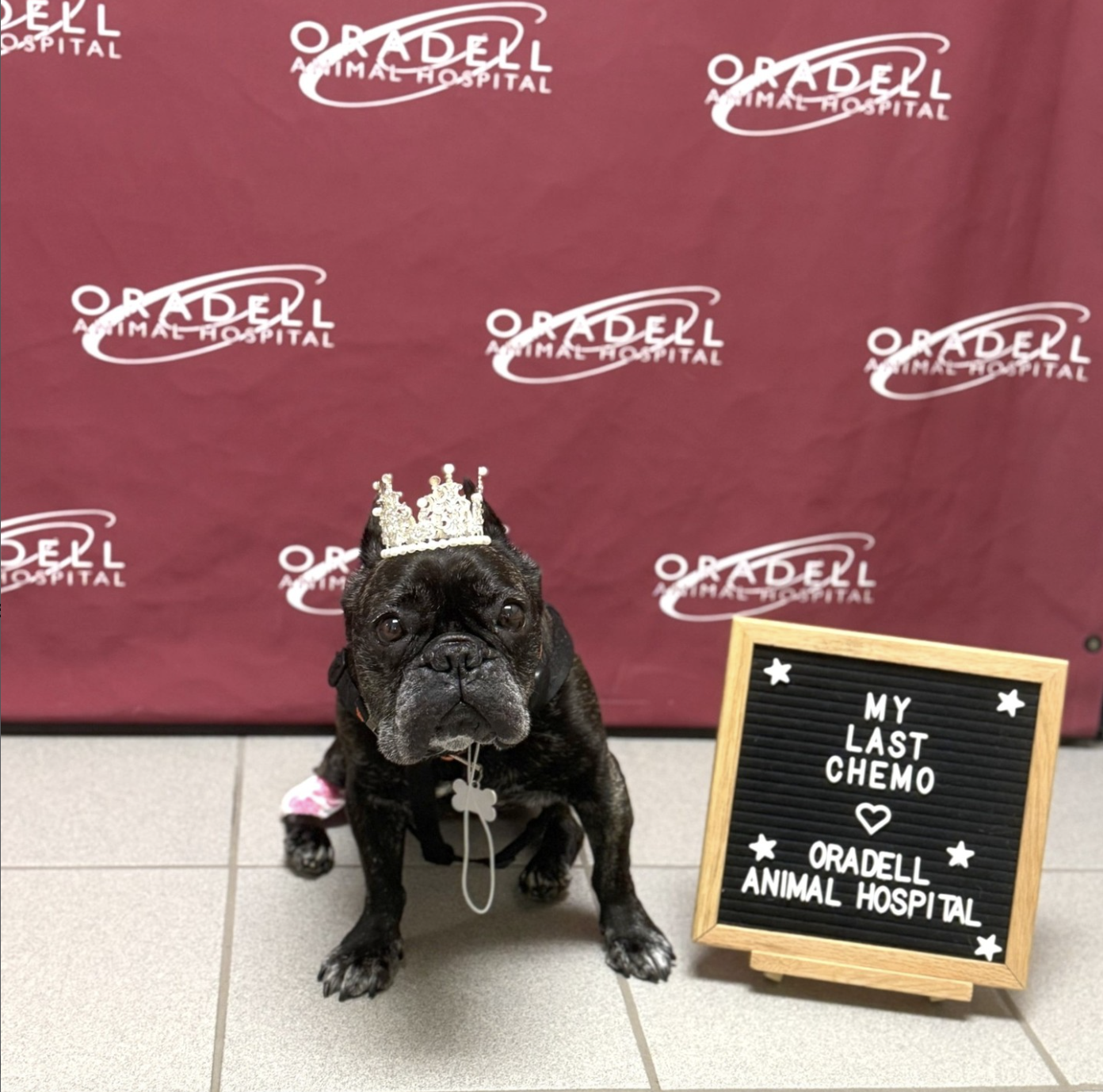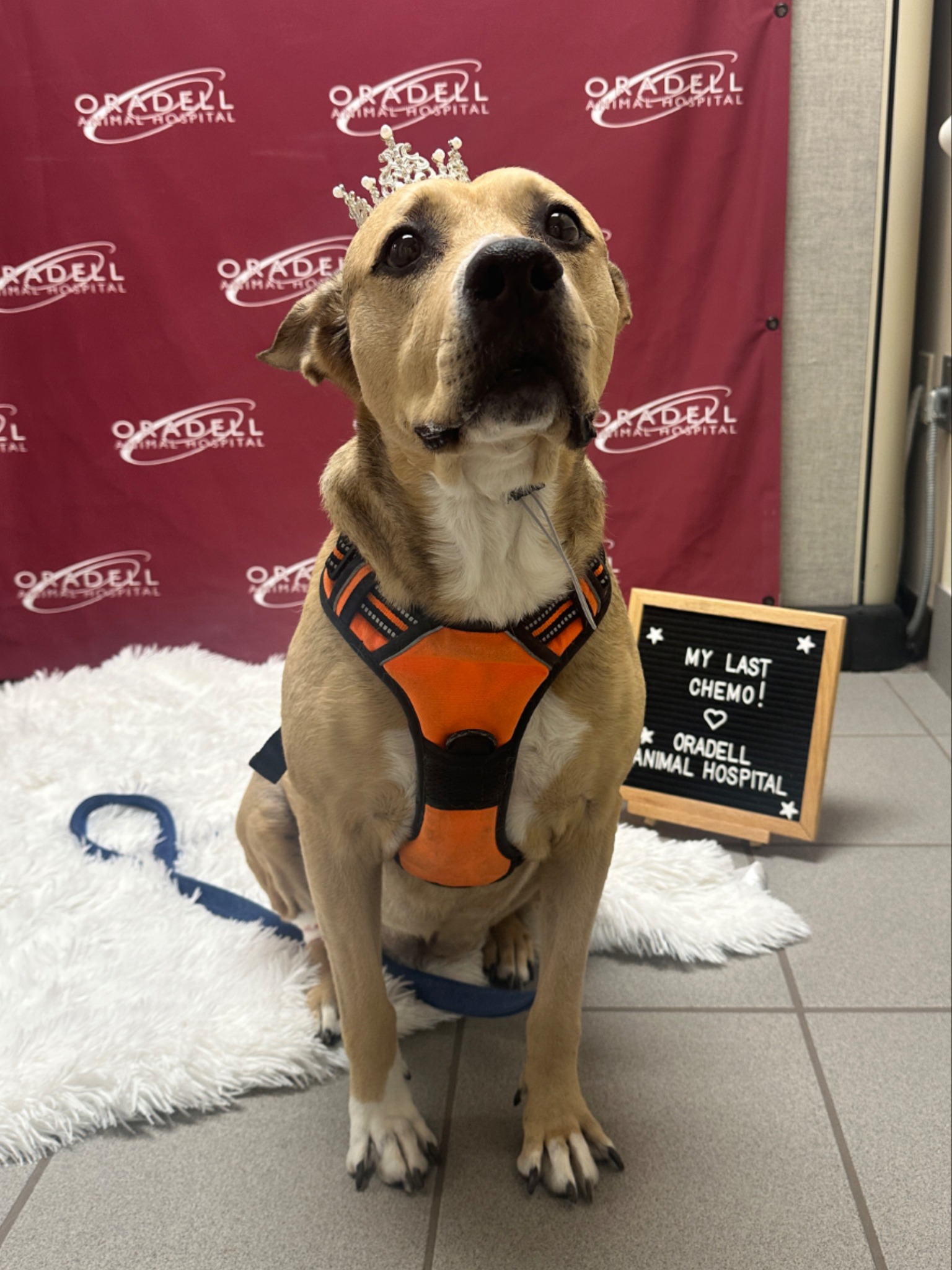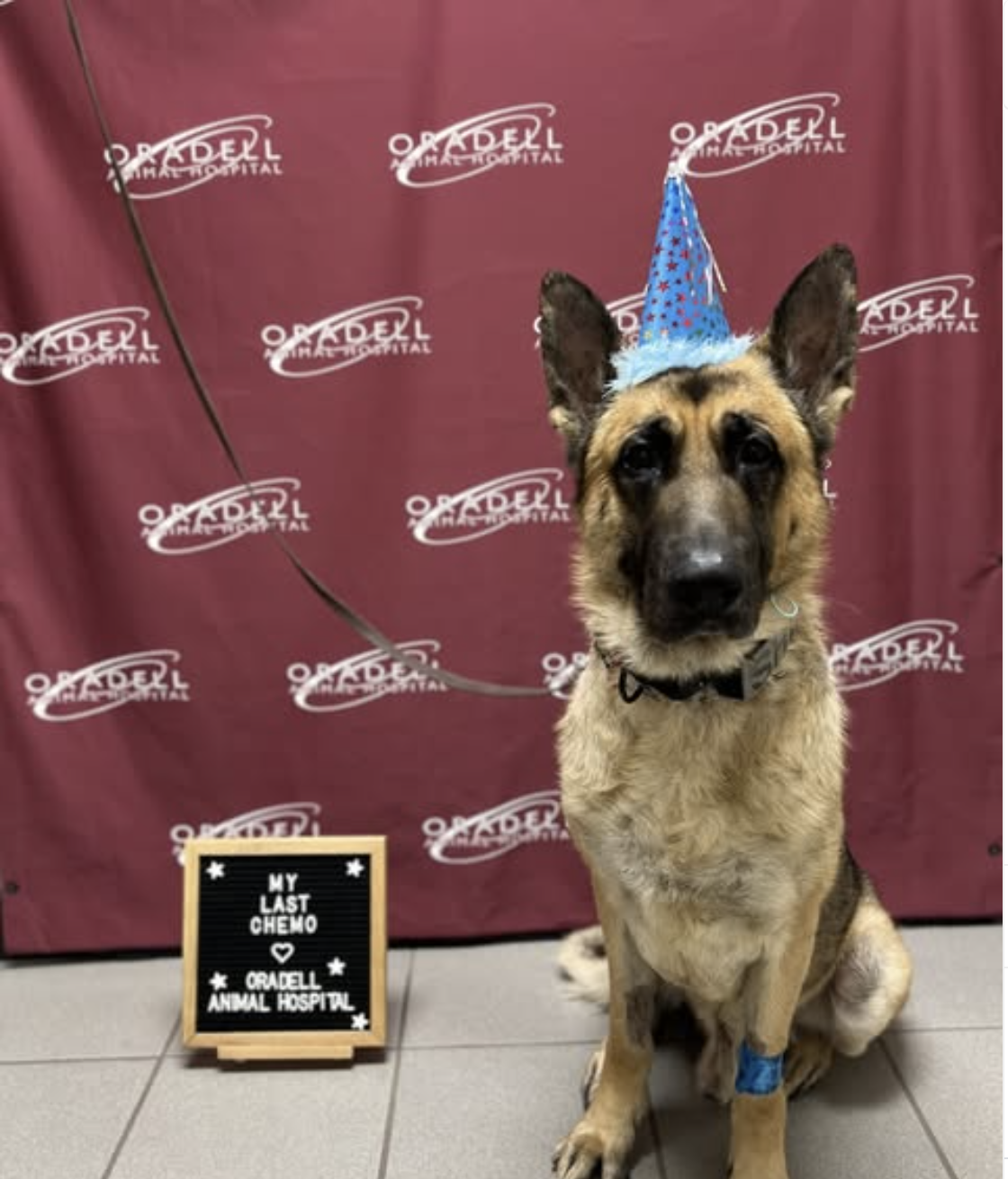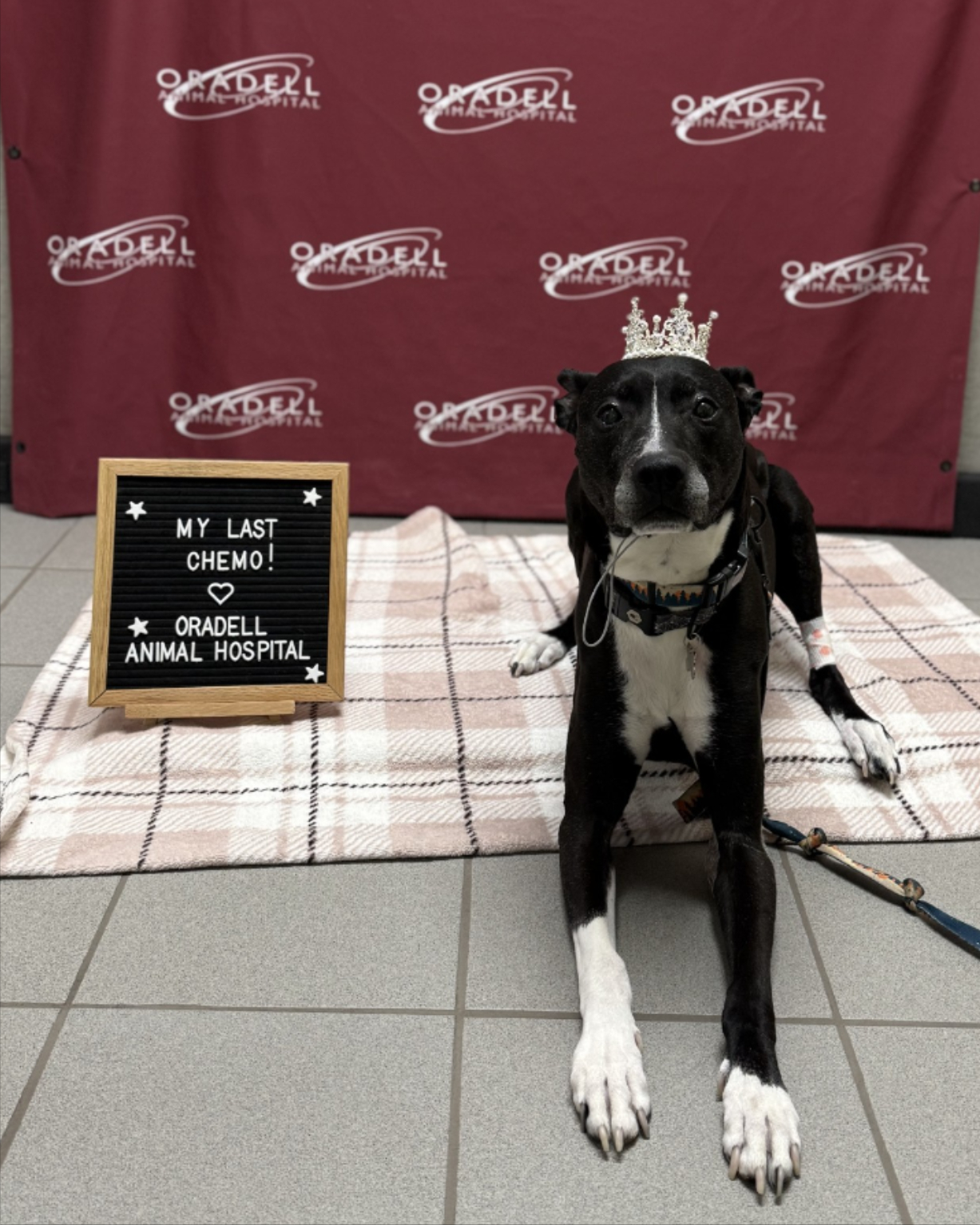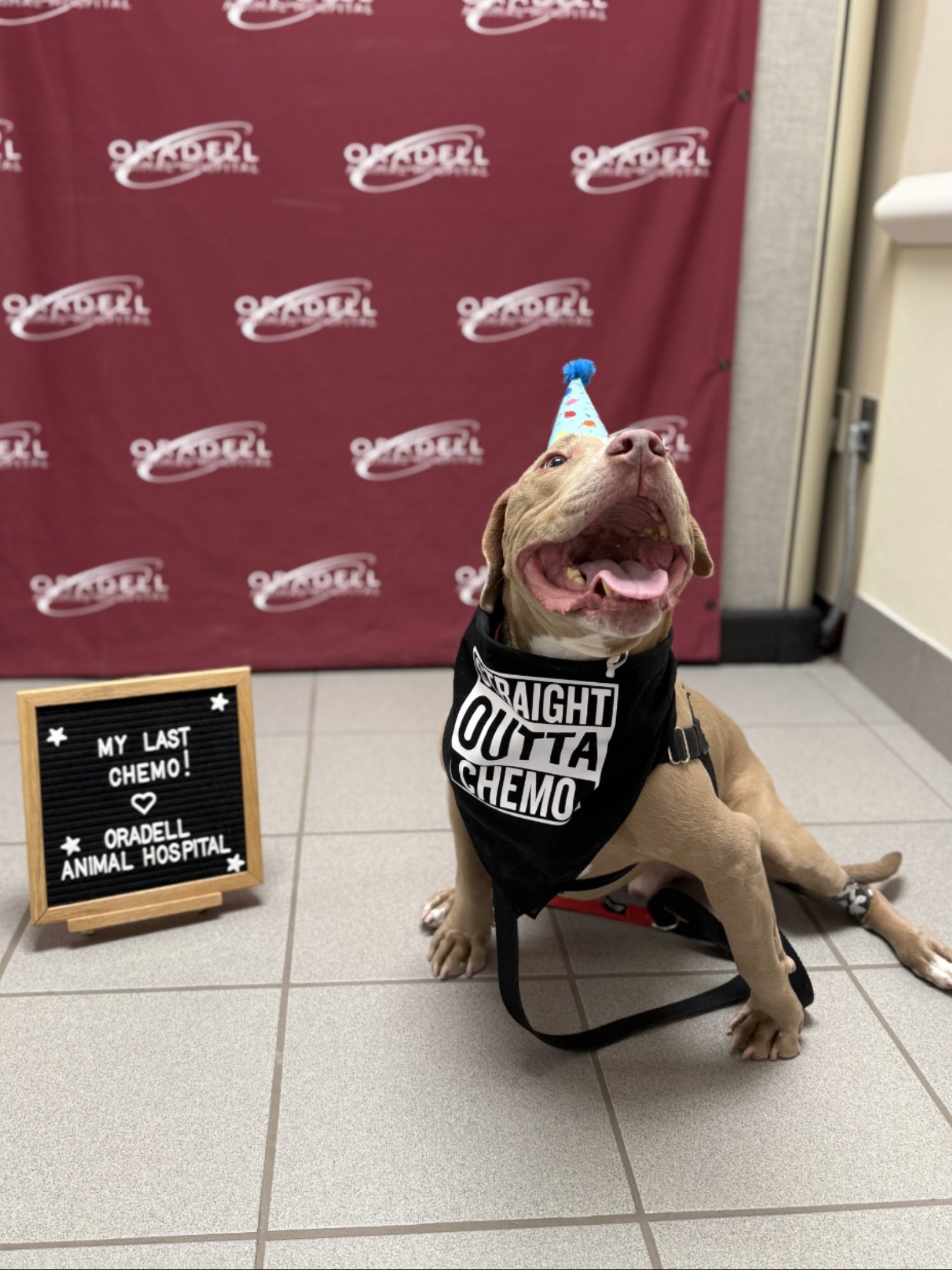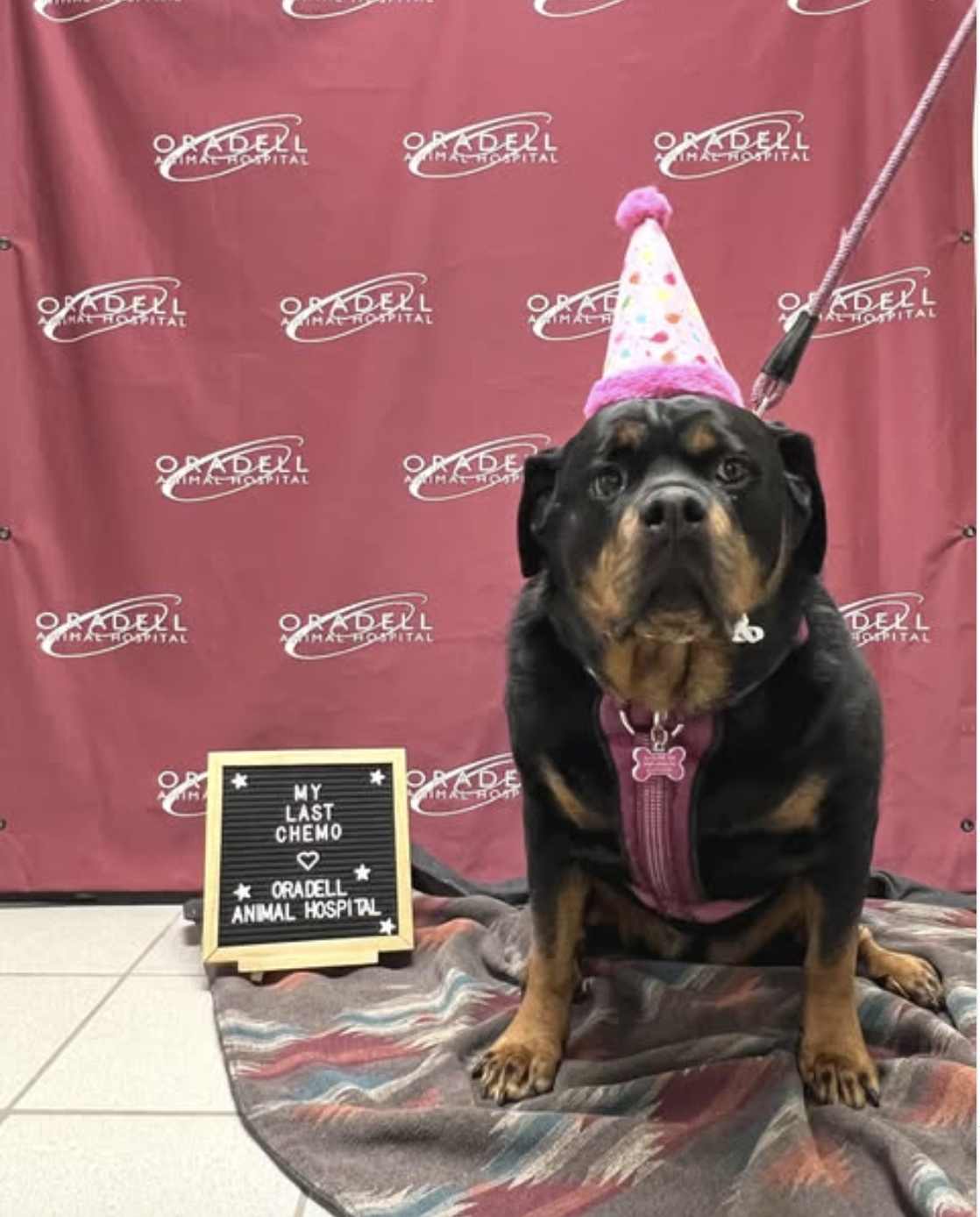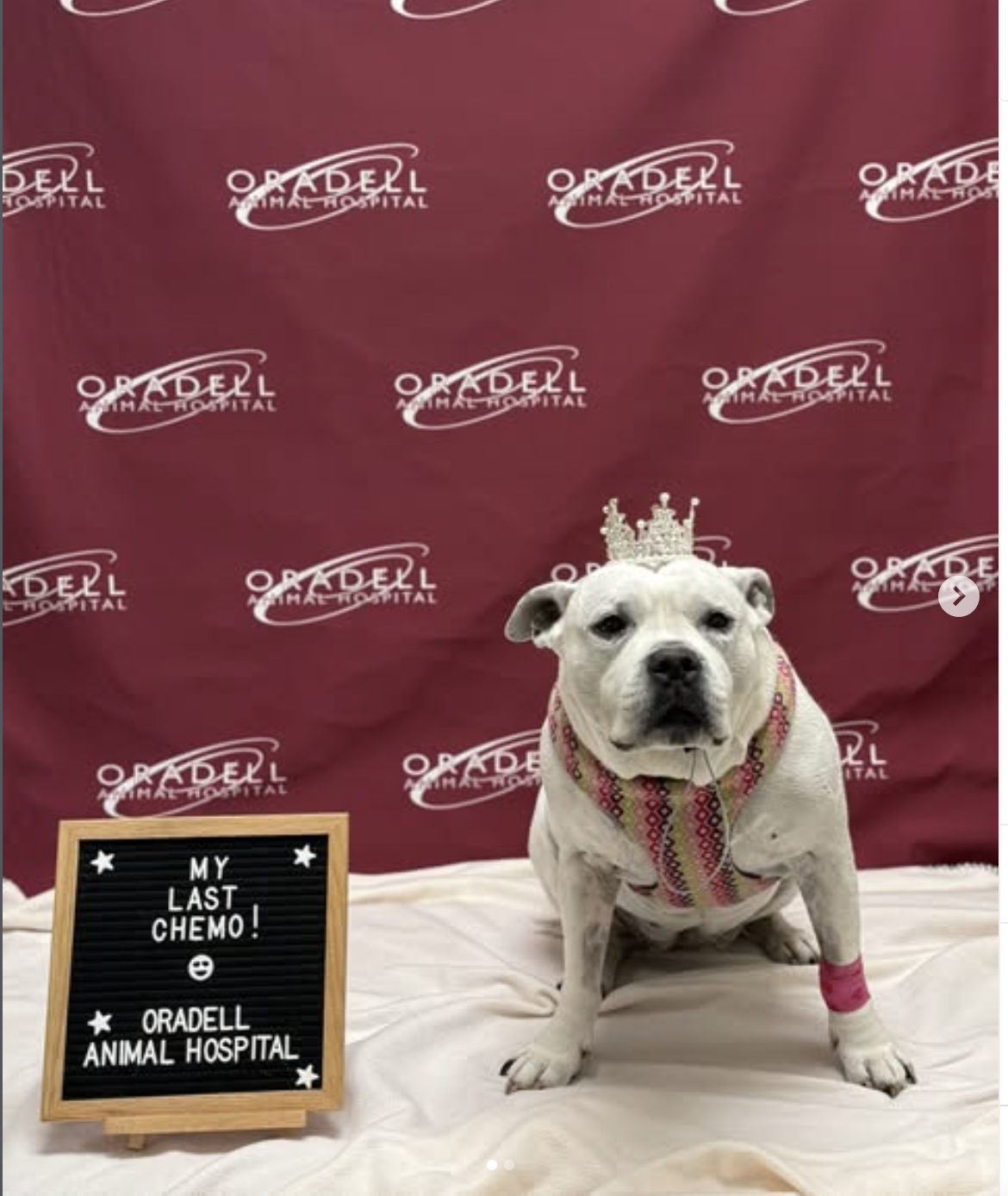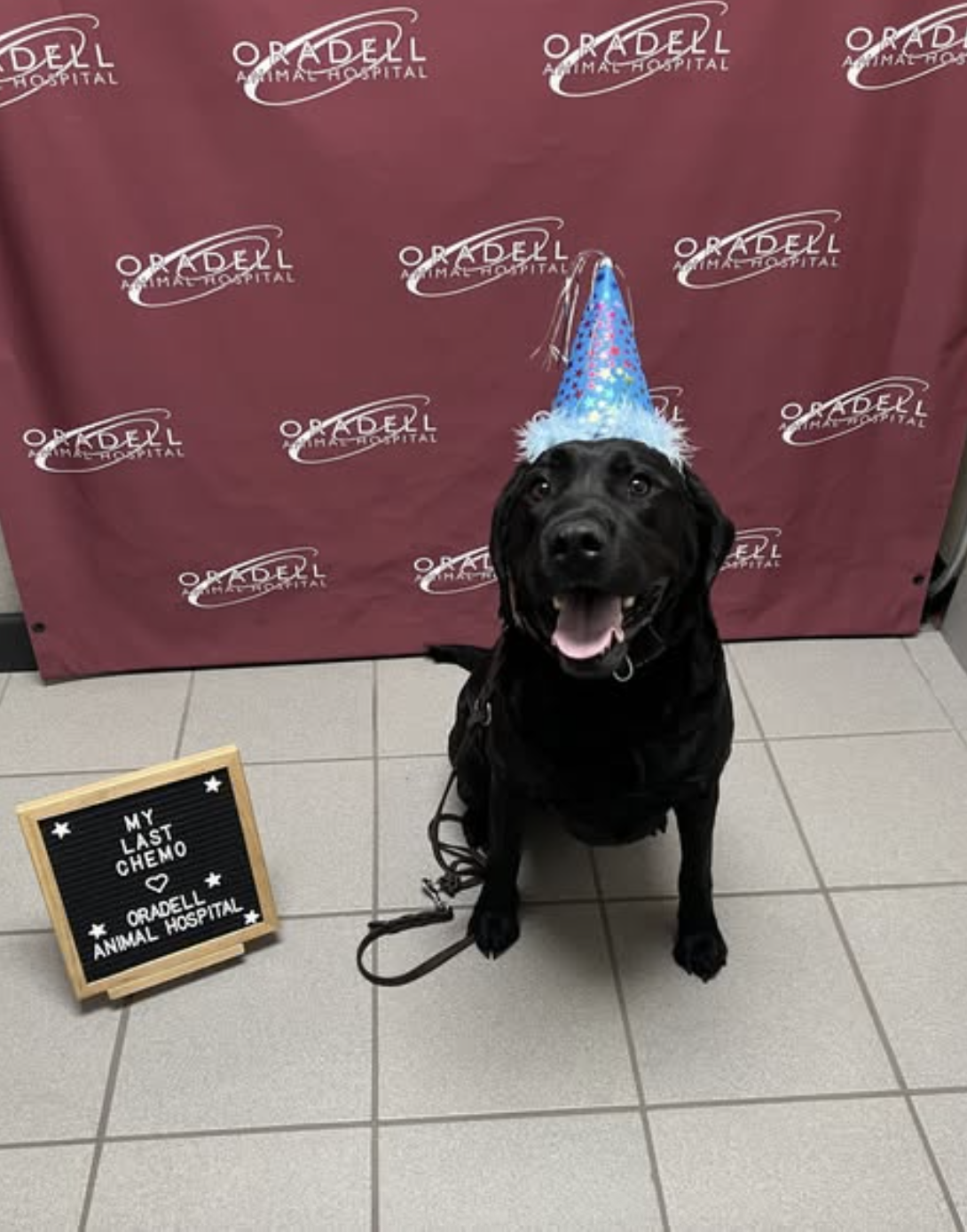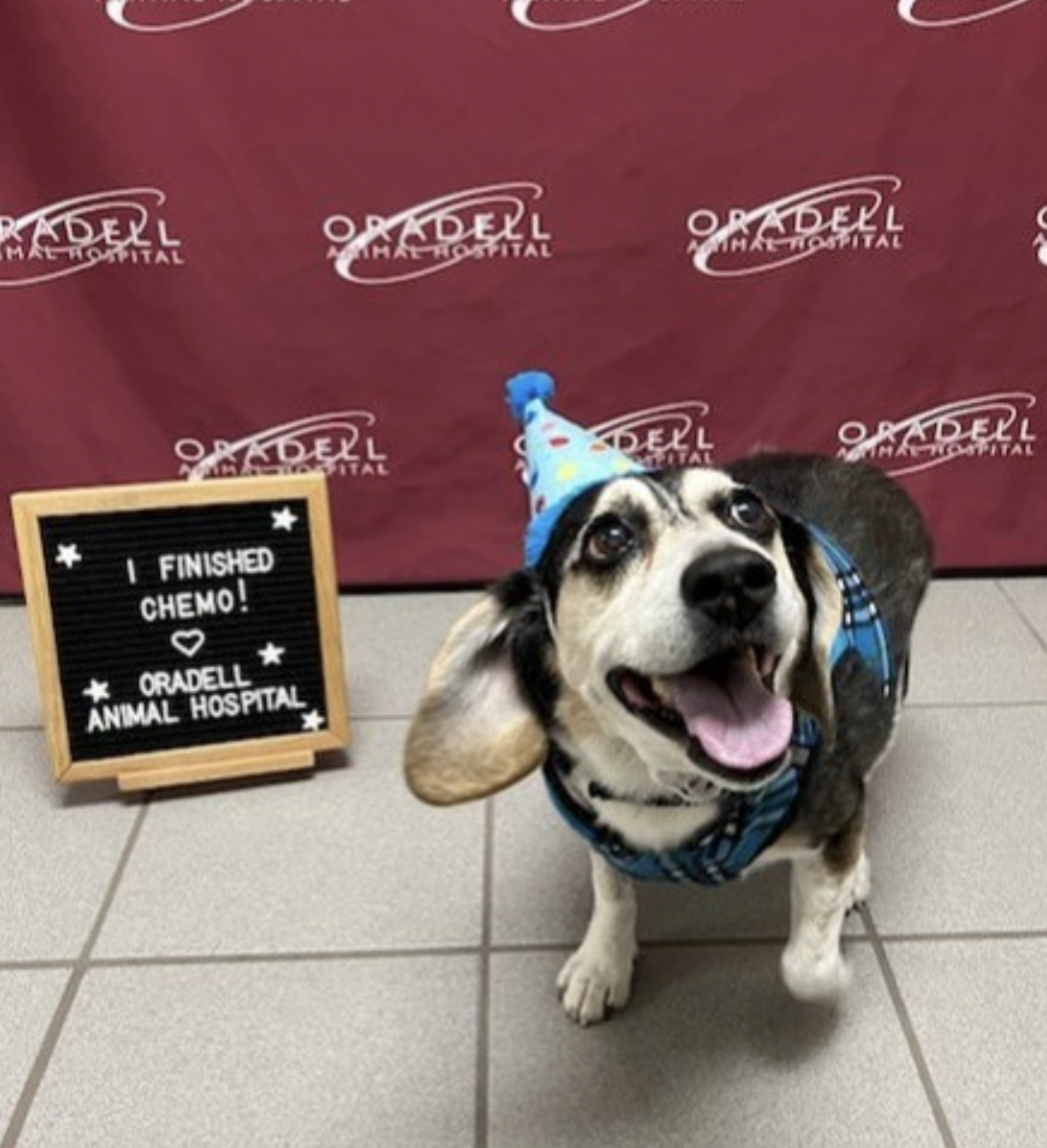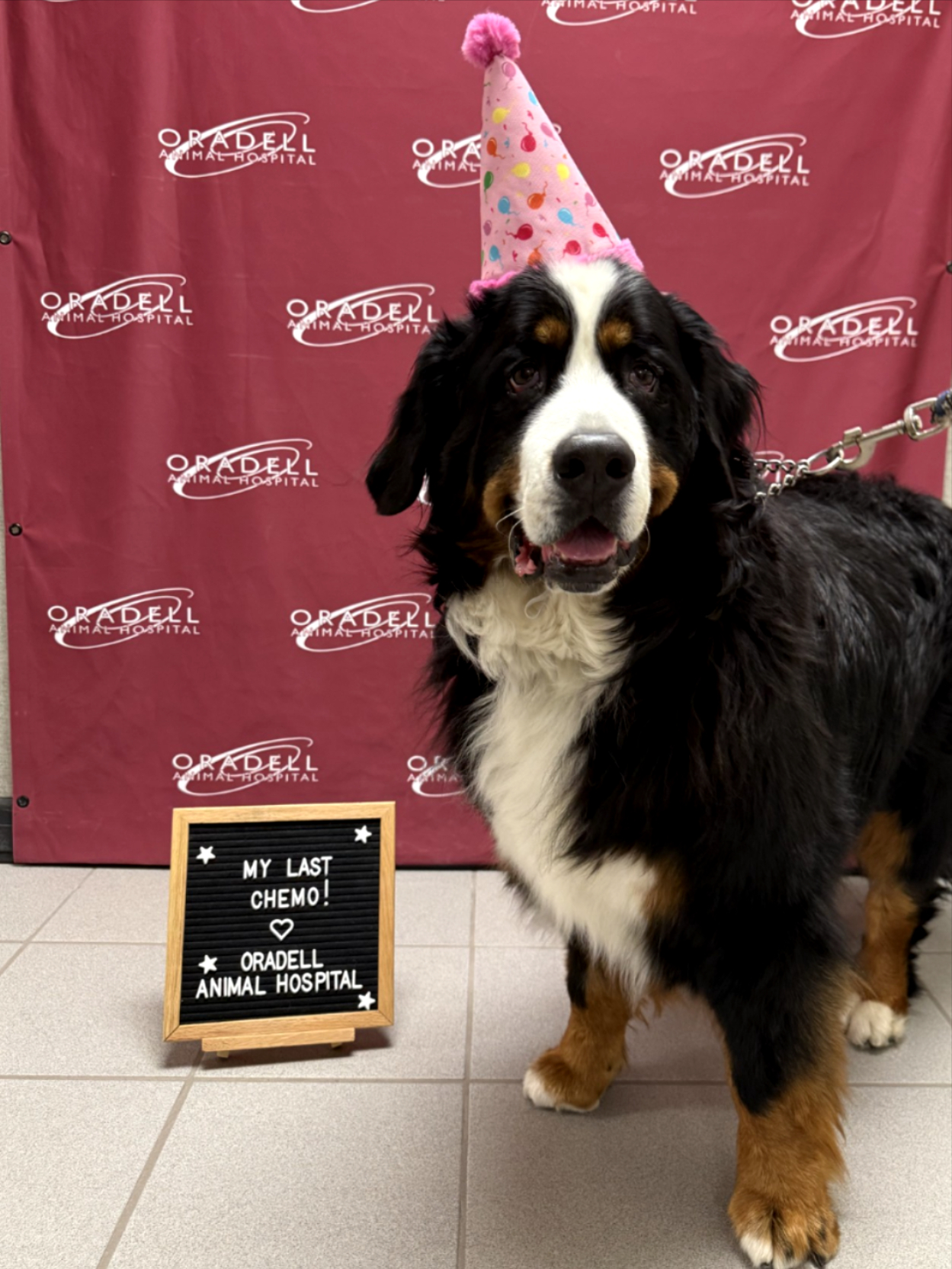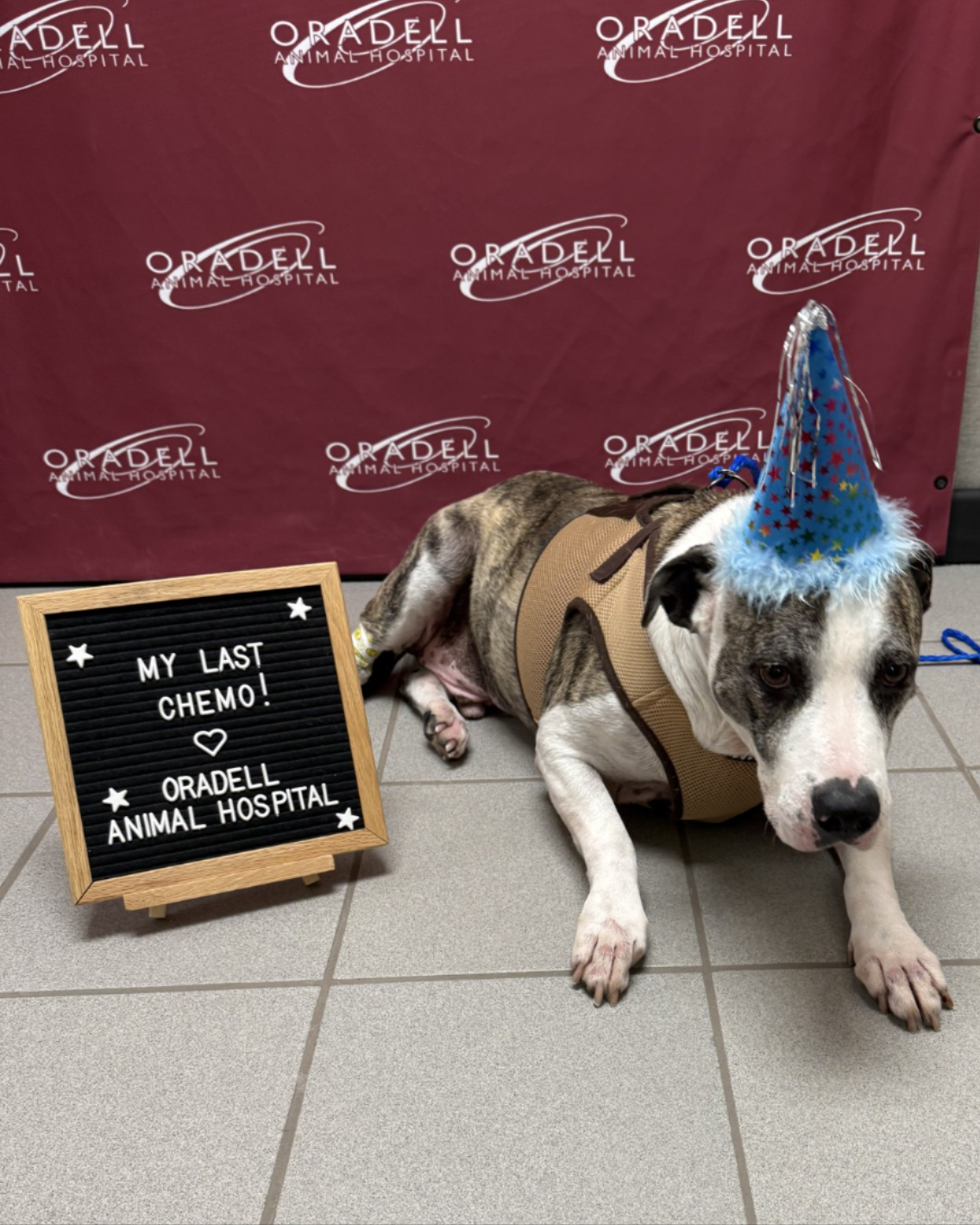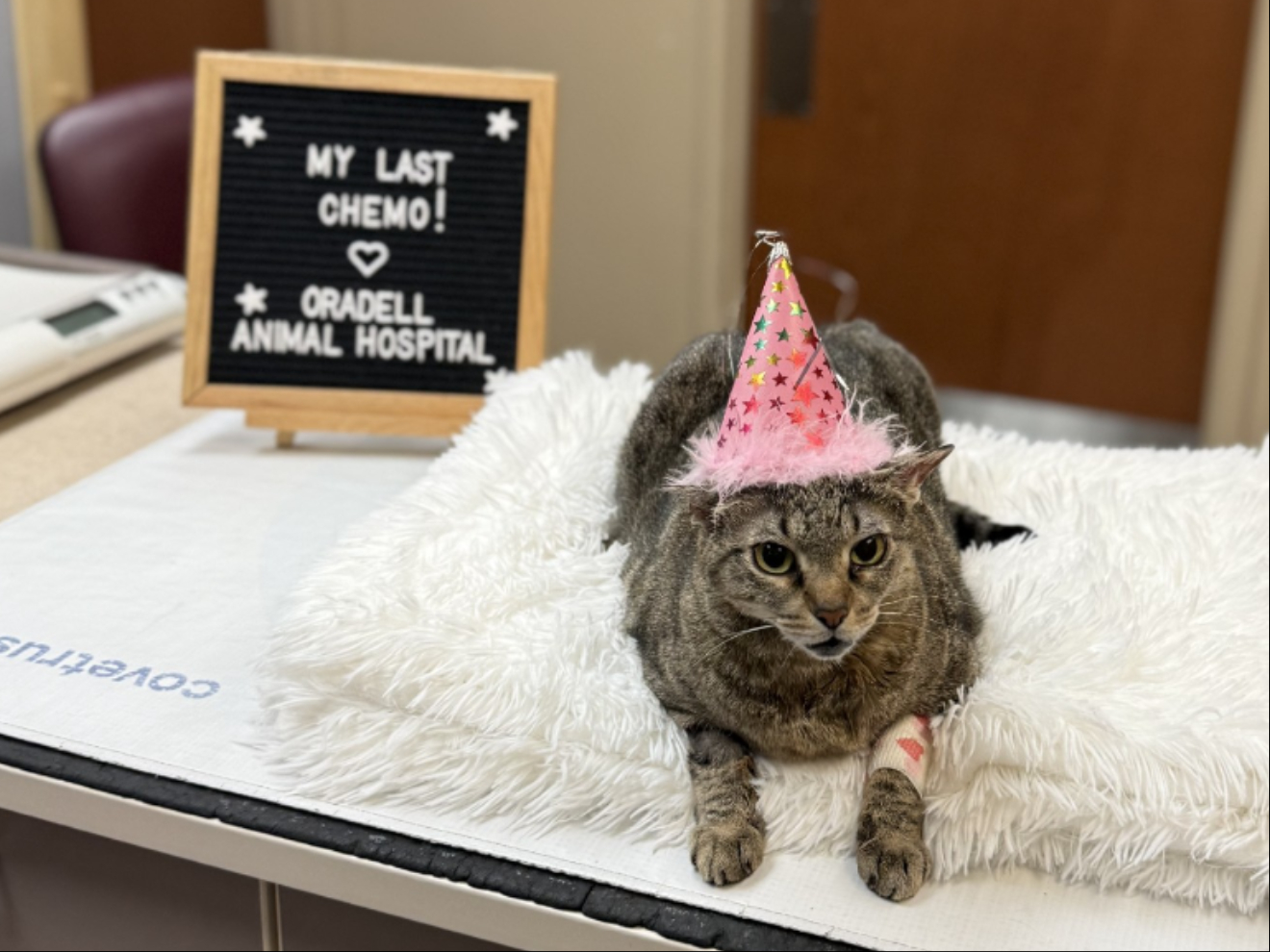
If you or your family veterinarian suspects your pet has cancer, it’s only natural to be afraid. But know this: there are new therapies today that are changing the way we’re able to treat cancer in animals. These treatments offer real hope for improved outcomes and a good quality of life for your pet.
At Oradell Animal Hospital, our oncology team—led by a board-certified veterinary oncologist—is on the forefront of these advances. Working together, they provide consultations, diagnostics and personalized treatment recommendations for all types of pet cancer.
We also provide compassionate support to guide you throughout the care process.
There are myriad types of cancer that can affect dogs and cats. Some of the most common types of cancer we see at OAH are:
The OAH oncology service provides comprehensive consultations to diagnose and stage your pet’s cancer and develop a personalized treatment plan. Our diagnostic resources include:
There are four major categories of cancer treatment. In certain cases, more than one type of treatment may be necessary to ensure the best outcome for your pet. Treatment options include:
We also provide nutritional support, palliative care and pain management to keep your pet as healthy and comfortable as possible while they undergo cancer treatment. In addition, when appropriate, we may provide access to clinical trials for novel cancer treatments.
Because many different specialists and clinicians may be involved in your pet’s cancer care, collaboration and communication are key. Our board-certified oncologists will work closely with your primary care veterinarian, surgeon, radiation oncologist and other veterinary cancer care providers to ensure a cohesive and well-coordinated treatment plan.
The American Veterinary Medical Association (AVMA) lists 10 warning signs of cancer in companion animals. While these signs can occur with diseases other than cancer, if you notice any of them in your pet, it warrants further evaluation by your primary care veterinarian to rule out cancer as the underlying cause.
We’re here to help. Call us at 201-262-0010 or visit our FAQ page for quick answers to common pet owner questions.
If you are a veterinarian and would like to refer a patient, please visit our referral portal.