
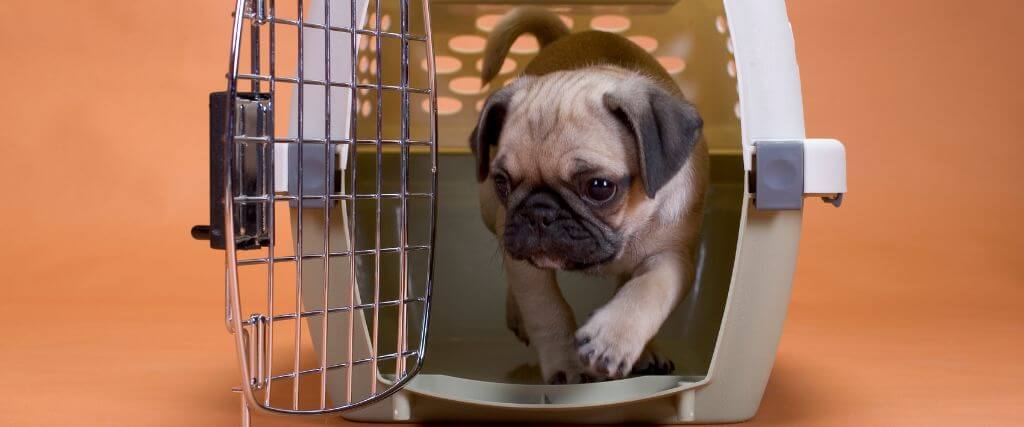
Crate training is a common topic for new and experienced dog owners alike, and it often comes with questions such as “should I crate train my puppy?” or “is crate training good for dogs?” When approached correctly, crate training can be a valuable tool that supports safety, learning, and emotional well-being. Understanding how to crate train a dog in a humane, evidence-based way helps ensure the crate becomes a positive space rather than a source of stress.
What Is Crate Training and Why Is It Used?
Crate training is the process of teaching a dog to feel comfortable and relaxed spending time in a crate. The crate is intended to function as a safe, enclosed resting area where a dog can settle, sleep, and feel secure. When introduced properly, most dogs learn to view their crate as their own space rather than a form of confinement.
Veterinary behavior experts note that dogs naturally seek out den-like spaces for rest. According to the Merck Veterinary Manual, providing a quiet, protected area can support a dog’s need for security and predictability, particularly in busy household environments. Crates are commonly used during housetraining, travel, recovery from illness or surgery, and times when close supervision is not possible.
Is Crate Training Good for Dogs?
Crate training can be beneficial for many dogs when it is done gradually and positively. Research and clinical guidance from veterinary organizations emphasize that crates should never be used as punishment or for prolonged confinement. Instead, they should be associated with rest, safety, and positive experiences.
For puppies, crate training can help establish routines and boundaries during a critical learning period. For adult dogs, crates may offer a predictable place to decompress, especially in multi-pet households or homes with frequent visitors. When used appropriately, crate training supports both physical safety and behavioral stability.

Comfort and Security: The Emotional Benefits of Crate Training
Although a crate may appear restrictive from a human perspective, many dogs find comfort in enclosed spaces. Canine behavior research indicates that dogs often prefer areas that provide shelter on multiple sides, which can reduce environmental stressors such as noise and movement.
A properly sized crate allows a dog to stand, turn around, and lie down comfortably without excessive open space. This sense of containment can be particularly helpful during stressful events such as thunderstorms, household changes, or travel. Over time, dogs may voluntarily enter their crate to rest, demonstrating that it has become a safe and familiar environment.
How Crate Training Supports Housetraining and Daily Structure
Crate training is frequently recommended as part of a comprehensive housetraining plan. Dogs generally avoid soiling areas where they sleep, which can help puppies learn bladder and bowel control when crate time is managed appropriately. This approach supports consistency rather than punishment.
Structured crate use can also help dogs adjust to household routines. Scheduled rest periods reduce overstimulation and provide predictable downtime, which is particularly important for young puppies and high-energy dogs. Veterinary professionals often emphasize that structure and routine play a significant role in successful behavior development.
Protecting Your Dog and Your Home
Crate training can play an important role in keeping dogs safe when they cannot be directly supervised. Puppies explore the world with their mouths, which can put them at risk for ingesting foreign objects or chewing electrical cords and household items. A crate provides a controlled environment that reduces these risks.
Crates are also commonly used during medical recovery. After surgical procedures such as spay or neuter surgery, veterinarians often recommend restricted activity to promote healing. Dogs that are already comfortable in a crate may experience less stress during recovery periods that require limited movement.

How to Crate Train a Dog Successfully
Understanding how to crate train a dog involves patience, consistency, and positive reinforcement. Dogs should be introduced to the crate gradually, allowing them to explore it voluntarily rather than being forced inside. The goal is to create positive associations that encourage relaxation.
Veterinary behavior guidelines emphasize that crate training timelines vary by age, temperament, and prior experiences. Puppies may need shorter crate intervals and more frequent breaks, while adult dogs may adapt more quickly. Regardless of age, crates should never be used for extended confinement.
- Introduce the crate gradually: Leave the door open initially and allow your dog to explore at their own pace.
- Use positive reinforcement: Offer treats, toys, or meals inside the crate to build positive associations.
- Keep crate time appropriate: Duration should be based on your dog’s age, training level, and physical needs.
- Avoid using the crate as punishment: Negative associations can lead to anxiety and resistance.
- Maintain a routine: Consistent schedules help dogs understand when crate time is expected.
Common Concerns and Misconceptions About Crate Training
Some owners worry that crate training is inherently stressful or restrictive. However, veterinary behavior experts consistently note that stress is more likely when crates are misused rather than when they are introduced thoughtfully. Excessive confinement, lack of exercise, or inconsistent routines can all contribute to frustration regardless of crate use.
Another common concern is whining during early crate training. Mild vocalization can occur as a dog adjusts to a new routine, but persistent distress signals the need to reassess the training approach. Consulting a veterinarian or credentialed trainer can help address challenges before they escalate.
When to Seek Veterinary or Professional Guidance
If a dog shows signs of severe anxiety, panic, or self-injury related to confinement, crate training may need to be modified or paused. These behaviors can indicate underlying anxiety disorders that require professional evaluation. Veterinarians can help rule out medical contributors and may recommend referral to a veterinary behaviorist for behavioral issues. when appropriate.
Crate training should always be tailored to the individual dog. Professional guidance ensures that training supports both physical health and emotional well-being.
If you have questions, we would love to answer them for you. Please give us a call at the office at (201) 350-1802, or you can email us at [email protected]. Our staff would love to talk with you!
Don't forget to follow us on social media Facebook, Instagram.