
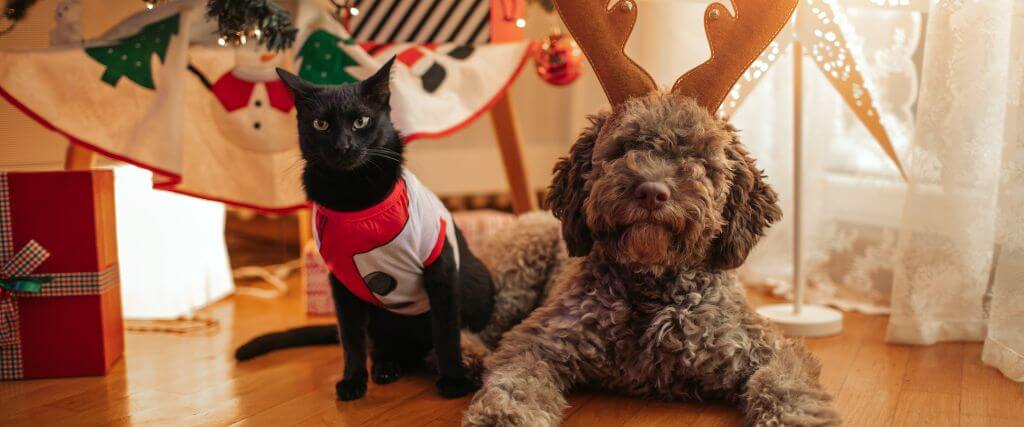
The holiday season can bring new hazards for pets, from festive decorations to seasonal foods. Keeping your cat or dog safe throughout the season requires a little extra awareness and a few simple precautions. Follow these seasonal pet safety tips to help you protect your pet and enjoy the holidays without worry.
The DOs of Holiday Pet Safety
DO Give Your Pet Some Space
The hustle and bustle of the holidays can be stressful for even the most outgoing and social pets. Provide your pet with a safe haven from holiday parties and get-togethers by keeping them in a quiet room of the house, away from guests. If you’re planning on having guests over for a holiday dinner or party, be sure to keep an eye on your pet for signs of stress. If you notice any abnormal vocalizations or other behaviors like pacing, panting, or hiding, take your pet to a safe place to relax and calm down for a little while
DO Pet-Proof the House
For many, decorating is a big part of the holiday season. Wreaths, lights, ornaments, plants, and more can all make your house feel especially cozy and festive, but they can also be dangerous for pets if not secured correctly or placed out of the reach of curious cats and dogs. No one wants to make a trip to the emergency vet – especially during the holidays – so be sure that ribbons, bows, strings, ornaments, hooks, and wrapping materials stay out of reach all season long.
DO Research What Holiday Plants Are Pet-Safe
Poinsettia, mistletoe, and holly are all iconic plants that are synonymous with the holiday season, but did you know that all of these plants are toxic to both dogs and cats? There are a number of classic holiday plants that have been used in decorating for years, but many owners are unaware that some of the most popular options could put their pet in the hospital.
Toxic Holiday Plants to Keep Out of Your Home
- Poinsettias – The plants are mildly toxic to both dogs and cats, and can cause drooling, vomiting, and mild digestive upset if chewed. Thankfully, reactions to poinsettia plants are rarely severe, but they should still be kept out of homes with pets to avoid any unnecessary issues.
- Lilies – ALL true lilies (Easter, Tiger, Stargazer, Asiatic, etc.) are extremely dangerous for cats. Even tiny exposures from pollen, water from a vase, or even a single petal can cause acute kidney failure. While not as dangerous to dogs, lilies can still cause GI upset if ingested, so it’s best to keep them out of the house completely.
- Mistletoe – As romantic as this holiday staple is, it should be kept out of homes with pets. American mistletoe can cause drooling, vomiting, and diarrhea, and ingesting a large amount of it may lead to low blood pressure or abnormal heart rate in pets.
- Holly – Both English and American holly are known to cause significant GI irritation, including drooling, vomiting, or diarrhea. The leaves of this plant are also spiky and cause irritation, while the mild toxins contained in holly berries can lead to additional pain or discomfort.
- Christmas Rose – Also known as Hellebore, this plant can cause drooling, vomiting, abdominal pain, and lethargy in dogs and cats.
- Yew – Is highly toxic if ingested, and can cause tremors, difficulty breathing, and cardiac failure. Because of how dangerous this plant is to our pets, owners should keep cuttings and wreath pieces out of reach.
Pet-Safe Holiday Plant Alternatives
Instead of decking the halls with holly, mistletoe, and poinsettias, try some of these more pet-safe alternatives, including:
- Christmas cactus
- Spider plants
- Boston ferns
- Areca Palms
But just because these plants are pet-friendly, that doesn’t mean you should let your dog or cat chew on or ingest any part of them! These plants may cause some GI distress when eaten, so if you have a pet that loves to gnaw on any plant you bring in the house, consider skipping festive plants altogether.
DO Monitor Pets Around Open Flames
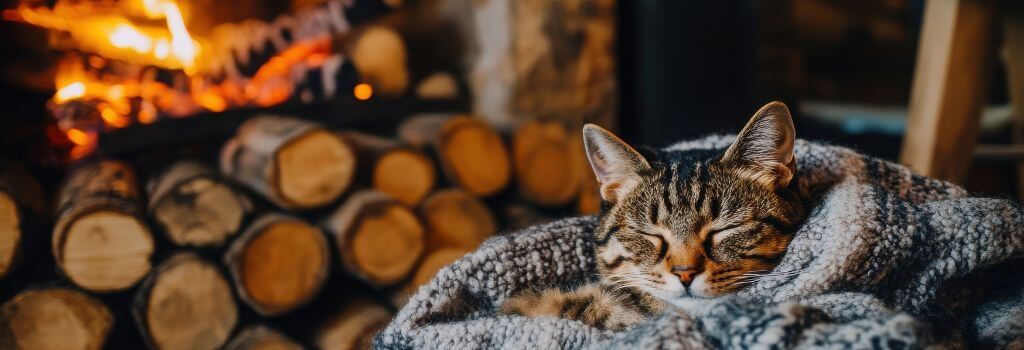
Fireplaces, menorahs, Advent wreaths, and festive candles can all be dangerous for pets of all sizes because of their open flames. Tails wagging into the flame, fur catching fire, and, even worse, an open flame getting knocked over and starting a house fire are all hazards that can be avoided by having a little extra vigilance.
The DON’Ts of Holiday Pet Safety
DON’T Overindulge Your Pet
Pancreatitis, gastroenteritis, and upset stomachs are some of the most common issues veterinarians treat during the holidays – and these issues usually stem from pets getting into things they shouldn’t or their owners overindulging them. Despite the festivities and great holiday foods this time of year, pets should stick to their regular diets throughout the holiday season and shouldn’t be offered any table scraps or other “people foods.”
Instead, offer your pet a safe holiday treat! Dogs and cats cannot handle rich, fatty foods like butter, cream, and gravy the way humans can, but that doesn’t mean they have to be left out of the festivities completely! Set aside small portions of plain turkey, mashed potatoes, and vegetables like carrots or green beans for your pet instead. Just remember to make sure the turkey is well-cooked and don’t forget to remove the bones and skin.
DON’T Forget to Clean Up Properly
Don’t think your pet is safe just because the food isn’t on the table anymore! One risk that is often overlooked is the disposal of food and wrappings when the big meal is over. It is safest to make sure all trash, including the turkey carcass, is securely tied up and out of reach. Remember that bones can break easily and sharp pieces can be swallowed, causing a blockage or tearing the intestines.
All pieces of the carcass should be double-bagged and disposed of outside. Aluminum foil, wax paper, and turkey strings should also be kept out of reach. Remember, when used to cook with, these items become just as irresistible to your pet as the food itself!
DON’T Let the Tree Pose a Threat to Your Pet
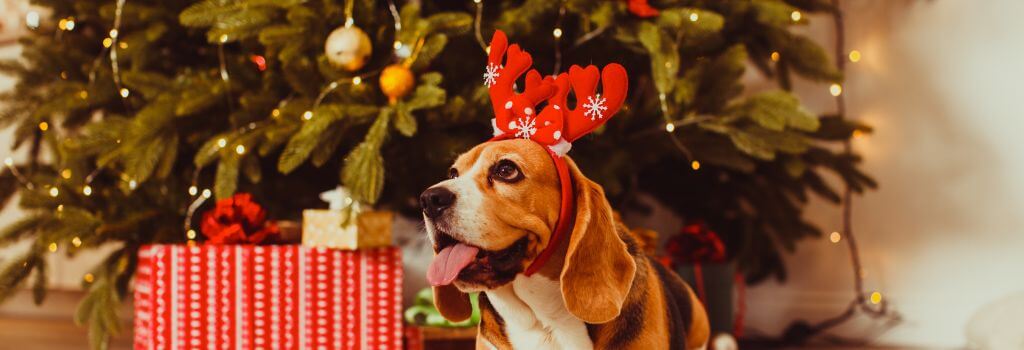
If you celebrate Christmas or just like to put up a pine, spruce, or fir tree for the holiday season, there are quite a few things you’ll want to stay on top of to keep your pets safe.
- Secure the tree firmly. A stable stand or wall anchor prevents the tree from tipping if a pet bumps into it or tries to climb it.
- Keep pets away from tree water. Tree stand water can contain sap, bacteria, or fertilizers that cause vomiting, so covering the reservoir or blocking access is safest.
- Choose pet-safe ornaments and décor. Avoid edible decorations, tinsel, and low-hanging fragile ornaments, as pets may chew or swallow them and risk injury or obstruction.
- Clean up fallen needles. Pine and fir needles can irritate the digestive tract or cause punctures if eaten, so sweeping regularly reduces risk.
- Supervise pets around the tree. Monitoring your dog or cat, especially during the first few days, helps prevent climbing, chewing, or other unsafe behaviors that could result in an accident.
DON’T Leave Cords, Batteries, or Other Power Sources Exposed
Electrical cords, wires, and batteries of all kinds are a big hazard for pets around the holidays. Be sure to purchase covers for all exposed cords or simply tape cords against the wall to discourage chewing, which can result in shock or electrocution.
If you have any battery-powered decorations, toys, or lights, be sure the batteries themselves, as well as any battery packs, are secured and completely out of reach of pets. These can potentially be swallowed and create a dangerous obstruction in the throat or intestines.
Keep Your Pet Safe This Holiday Season With Help From Your Vet
Keeping your pet safe during the holiday season doesn’t have to be overwhelming when you know what to look out for and how to prepare. In addition to following these tips, be sure to plan ahead with your veterinarian to avoid any other holiday risks or hazards. After all, a little extra thought and preparation can go a long way in making sure the holiday is fun and safe for you and your pets!
If you have questions and you'd like to reach out to us, you can call us directly at (201) 350-1802, or you can email us at [email protected]. Don't forget to follow us on social media Facebook, Instagram.